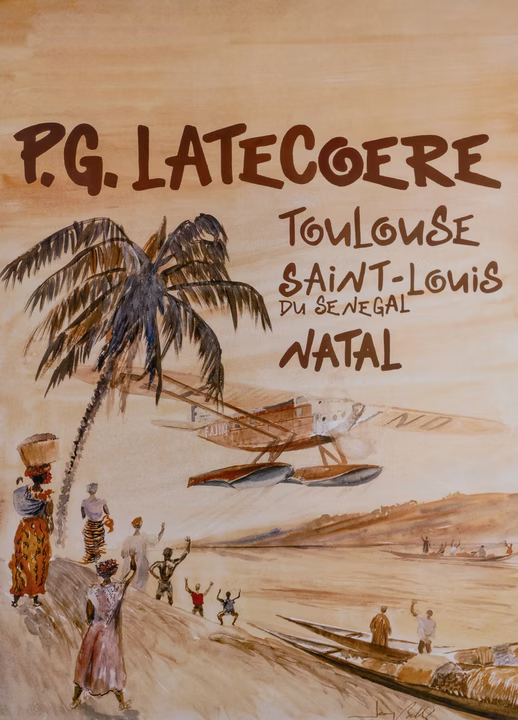
Saint-Louis of senegal
The stopover
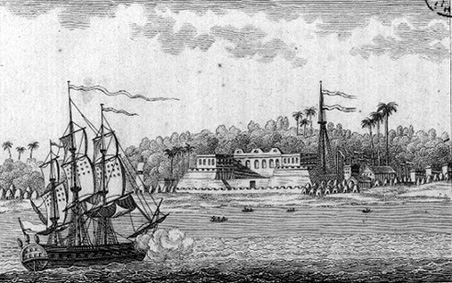
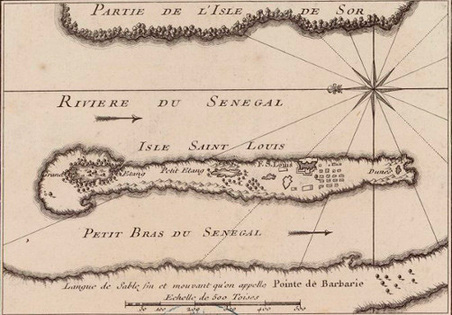
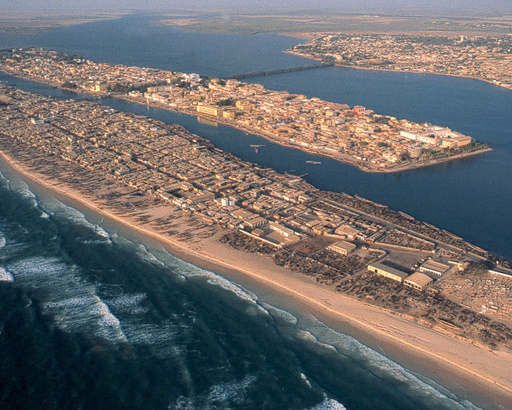
Founded in 1659 on the island of Ndar, situated at the mouth of the River Senegal on the west coast of Africa, Saint-Louis stands as one of the major maritime hubs in the history of world trade.
Stretching 2 km in length and just 300 m in width, this island city, situated between the river and the ocean, is defended by a fort, which earned it its original name of Saint-Louis-du-Fort – a tribute from Louis XIV to his ancestor Louis IX.
Trading post and capital
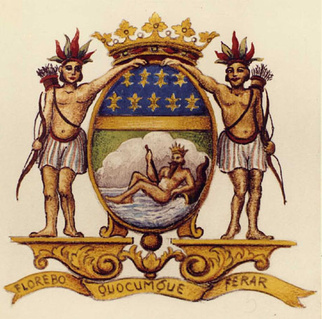
As the birthplace of the French West India Company, Saint-Louis-du-Sénégal flourished in the 18th century, its growth driven by the tides, cargoes and trade. It became the French trading post of choice for sourcing supplies in Africa, thanks to its strategic location at the mouth of the river, which facilitated the transport of goods from the interior.
The Company’s purpose was to exchange textiles, iron, weapons, horses and other goods from France for slaves, ivory, gold dust, palm oil, precious woods and gum arabic produced in Senegal. This triangular trade brought great prosperity to the inhabitants of Saint-Louis, both Europeans and African merchants, until the abolition of slavery.
In the 19th century, Saint-Louis was modernised by Faidherbe, who provided it with drinking water, pavements and street lighting, connected it to Dakar by rail and built the iconic steel-framed bridge linking Ndar Island to the riverbank. It became the capital of French West Africa, renowned for its commercial activity and cosmopolitan sophistication.
The final stop
Following in the footsteps of sailors, traders and administrators, it was the turn of aviators to settle in Saint-Louis at the start of the 20th century.
In 1930, the first non-stop transatlantic airmail service was established by the aviator Jean Mermoz, flying from Saint-Louis-du-Sénégal to Natal in Brazil. A revolution for the time, this enabled the world to correspond in just a few days, compared to several weeks by ship.
For many years, Saint-Louis thus became the mandatory stopover for the Toulouse–Santiago de Chile air route. A seaplane base was established there on the River Senegal, serving as the departure and arrival point for Latécoère seaplanes.
The great names of the Aéropostal crossed paths there, including Antoine de Saint-Exupéry, almost more famous for his *The Little Prince* than for his mail deliveries, which were, however, a genuine feat at the time.
Inspiration
A melting pot of cultures and backgrounds, and a major stopover on maritime and later air routes, Saint-Louis has developed a unique way of life, where local influences blend with European heritage.
Bathed in the red light reflected in the evening by the River Senegal and the Atlantic, the architecture features shaded galleries, breezy courtyards and colourful façades.
At the heart of the cosmopolitan society of the 18th and 19th centuries, the signares — African or mixed-race women married to Europeans — formed a veritable urban aristocracy. As influential merchants and major landowners, they asserted their status through architecture: multi-storey houses, inner courtyards, and private apartments often rented to passing military personnel, administrators and traders.
It is from this heritage that our Saint-Louis Washbasin was born: a piece of furniture inspired by these refined interiors, bringing together the hallmarks of the European bathroom in a compact format, designed for the elegant pied-à-terres of the era, as well as those of today.