Duguay-Trouin
From Privateer to Admiral
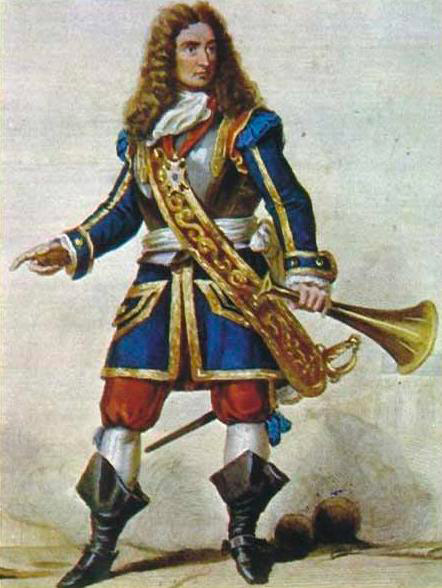
René Duguay-Trouin stands as one of the most daring figures in French maritime history during the reign of Louis XIV.
Born in Saint-Malo in 1673 into a family of shipowners, he first went to sea at just 16 and was entrusted with command of his first vessel at the age of 18. At a time when Europe's great powers were competing for control of the oceans and maritime trade routes, he won numerous victories against English and Dutch fleets, quickly establishing himself as one of the kingdom's most formidable privateers.
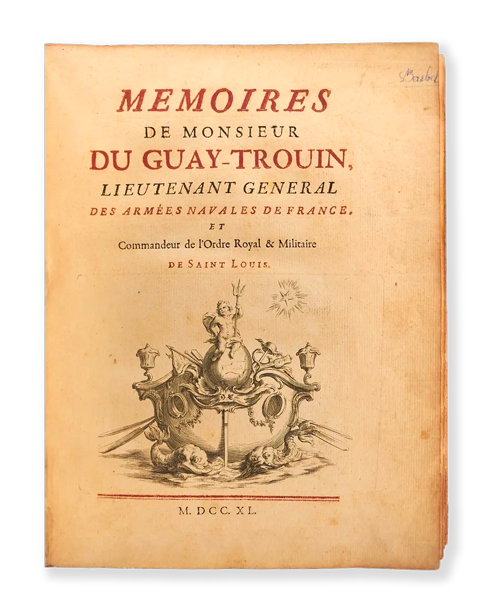
He is believed to have taken part in more than eighty naval engagements and boarding actions, many of which are recounted in his Memoirs.
The King's Privateer
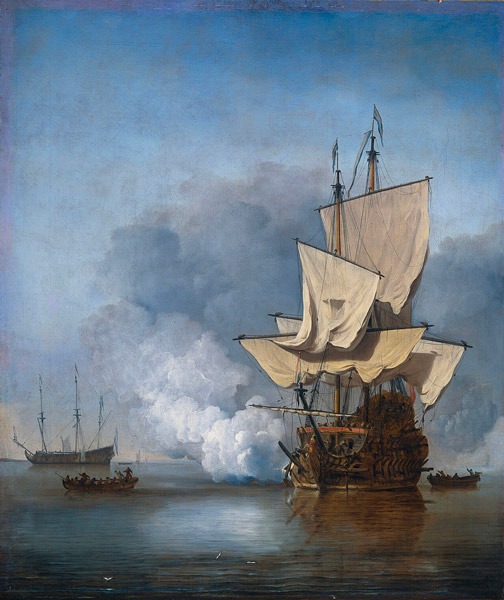
Unlike pirates, who operate on their own account, privateers are seafarers authorised by their sovereign to attack enemy vessels in times of war. Armed with a letter of marque, they contribute to the war effort while profiting from the prizes captured at sea. They also play an important strategic and political role: weakening enemy trade, seizing its wealth and disrupting its supply routes.
In this economic warfare waged across the oceans, known as commerce raiding, Duguay-Trouin distinguished himself through his remarkable tactical intelligence. Rather than systematically seeking confrontation, he knew how to exploit the speed of his ships, the element of surprise and his opponents' weaknesses.
In 1707, he achieved one of his greatest exploits by capturing a large British merchant convoy protected by several warships. His repeated successes earned him the recognition of Louis XIV, marking his rise from the world of Saint-Malo's shipowners to the ranks of the senior officers of the French Royal Navy.
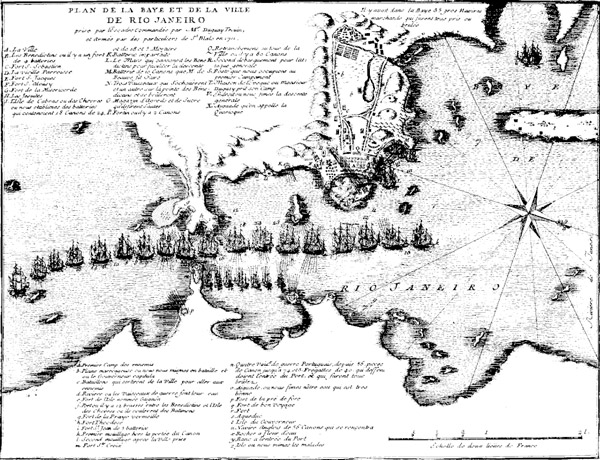
In 1711, Duguay-Trouin embarked on the most spectacular expedition of his career: the conquest of Rio de Janeiro, then a Portuguese colony and a strategic port for the Brazilian gold trade.
The previous year, an earlier French expedition led by the privateer Jean-François Duclerc had ended in failure. Duguay-Trouin resolved to avenge this defeat by organising an operation on an extraordinary scale.
Commanding a fleet of 17 ships and around 5,000 men, he crossed the Atlantic and arrived at the entrance to Rio de Janeiro's bay in September 1711. Guarded by powerful fortifications, the entrance to the bay was considered particularly difficult to penetrate. Taking advantage of thick fog and the element of surprise, Duguay-Trouin nevertheless forced his way through under fire from the Portuguese coastal batteries. Within days, his troops seized the main defensive positions and forced the Portuguese authorities to abandon the city, which was subsequently plundered and held to a substantial ransom.
This resounding victory, which brought considerable wealth to France, remains one of the most celebrated episodes of privateering warfare during the reign of Louis XIV.

Inspiration
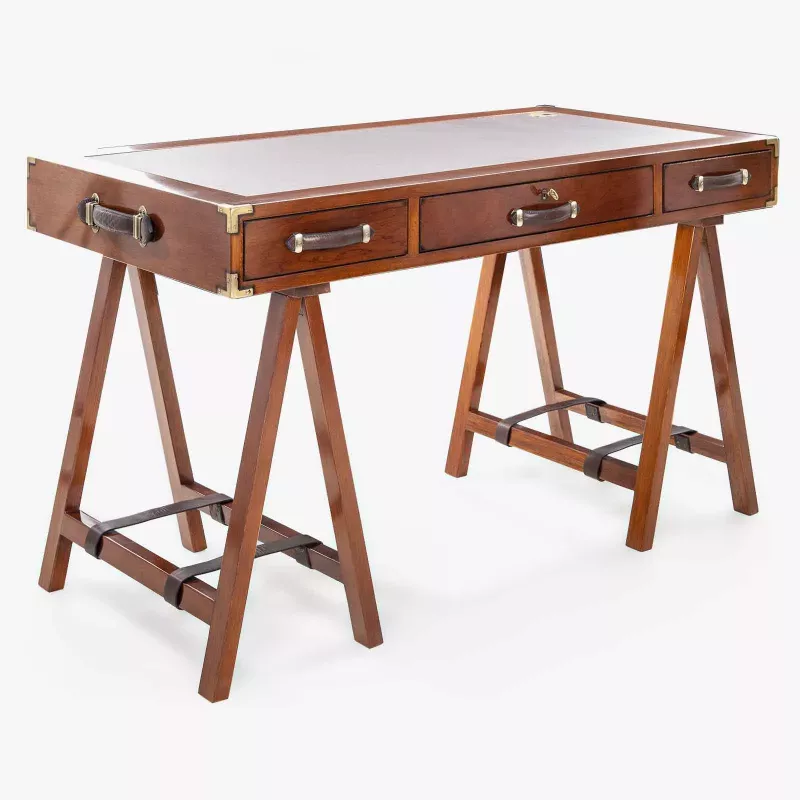
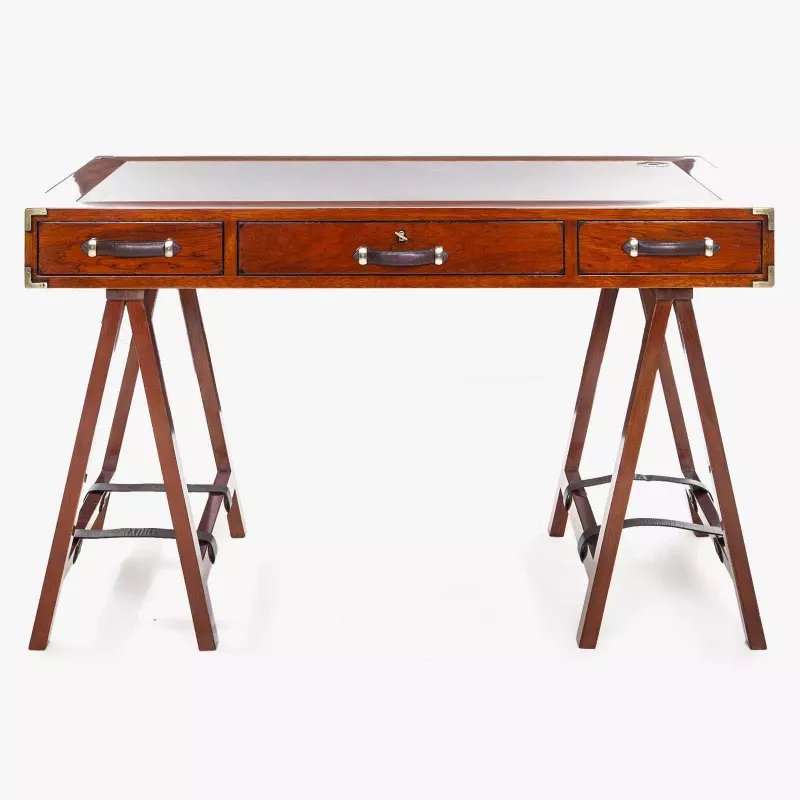
With its folding trestle legs, leather handles and brass corner fittings, our Duguay-Trouin desk draws inspiration from campaign furniture and pays tribute to a man of daring, honour and courage, ever ready for adventure.
Although its design does not belong to the era of Louis XIV, with a little imagination, it is easy to picture it in Admiral DuguayTrouin's cabin, covered with nautical charts and letters, a faithful companion on his voyages and in his decision-making. Perhaps it was upon a similar leather writing surface that the privateer penned his Memoirs?