halifax
THE SENTINEL OF THE ATLANTIC
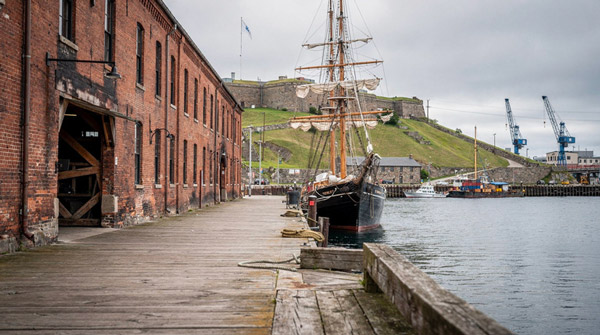
Located on Canada's Atlantic coast, in Nova Scotia, the city of Halifax boasts one of the largest natural deep-water harbours in North America.
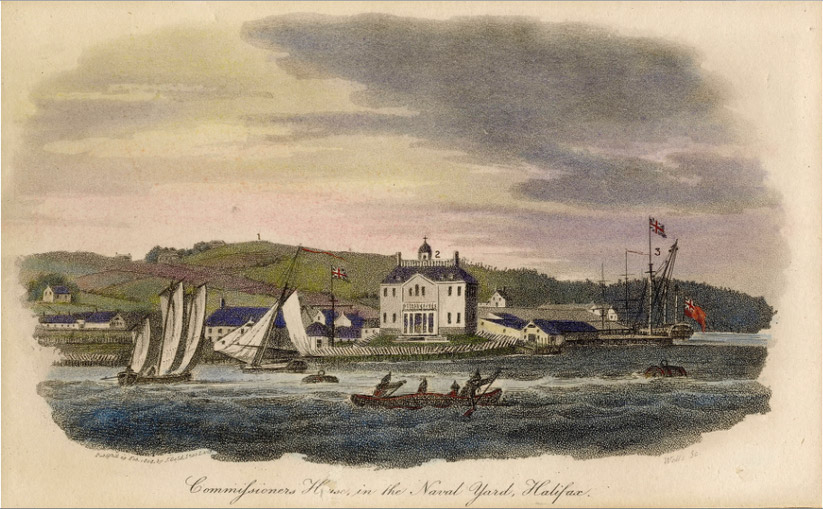
Founded by the British in 1749 on the ancestral lands of the Mi'kmaq people, the city owes its development to the rivalry between European powers for control of the North Atlantic. Its geographical position, at the crossroads of maritime routes linking Europe to the New World, has made it a strategic centre for navigation, trade and defence for nearly three centuries.
Successively a military stronghold, a port of call for great ocean liners and a gateway to the North American continent, Halifax has welcomed warships, merchant vessels, travellers and migrants from all corners of the world.
The Fortress of the Atlantic
In the 18th century, France and Great Britain were competing for control of North America. The French held the formidable Fortress of Louisbourg on Cape Breton Island, which guarded access to the Gulf of St Lawrence and, consequently, France's possessions in Canada. It was to counterbalance Louisbourg that the British founded Halifax in 1749, establishing a major naval base there.
The choice of location was no coincidence: its vast natural harbour, sheltered from storms and ice-free throughout the year, allowed ships to anchor safely, replenish their supplies and prepare for expeditions. In 1758, Halifax became one of the main departure points for the British expedition against Louisbourg, whose capture marked a decisive turning point in the Seven Years' War.
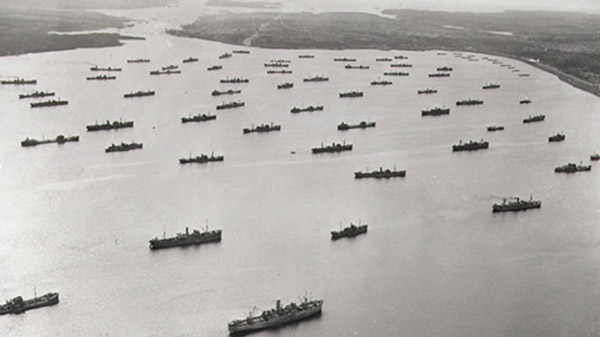
This military role would endure well beyond the 18th century. During both World Wars, Halifax became a vital port for assembling transatlantic convoys tasked with transporting troops, food supplies and military equipment to Europe.

The Gateway to the New World
With the rise of steam navigation in the 19th century, the Atlantic was no longer merely a theatre of military rivalry: it became a major route for the movement of people and goods.
In 1840, Samuel Cunard, a businessman from Halifax, launched a regular steamship service between Great Britain and North America. His company, the Cunard Line, would become one of the most prestigious names in the history of transatlantic travel. Aboard these ships, travel took on a new dimension: alongside cargo and mail, passengers crossed the ocean to trade, explore the American continent or begin a new life.
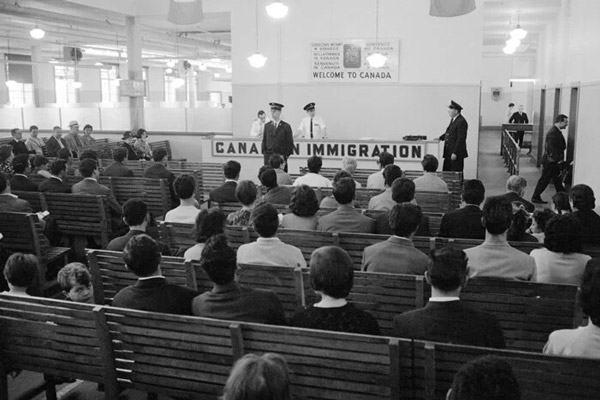
In the 20th century, Halifax became one of Canada's main gateways for immigration. Between 1928 and 1971, nearly one million people arrived at Pier 21, primarily from Europe, carrying their personal belongings and the hope of a new beginning.
Inspiration
From a British fortress to a major transatlantic port, Halifax holds a unique place in the history of travel: a city shaped by the ocean, where the destinies of those setting sail and those arriving have crossed for centuries.
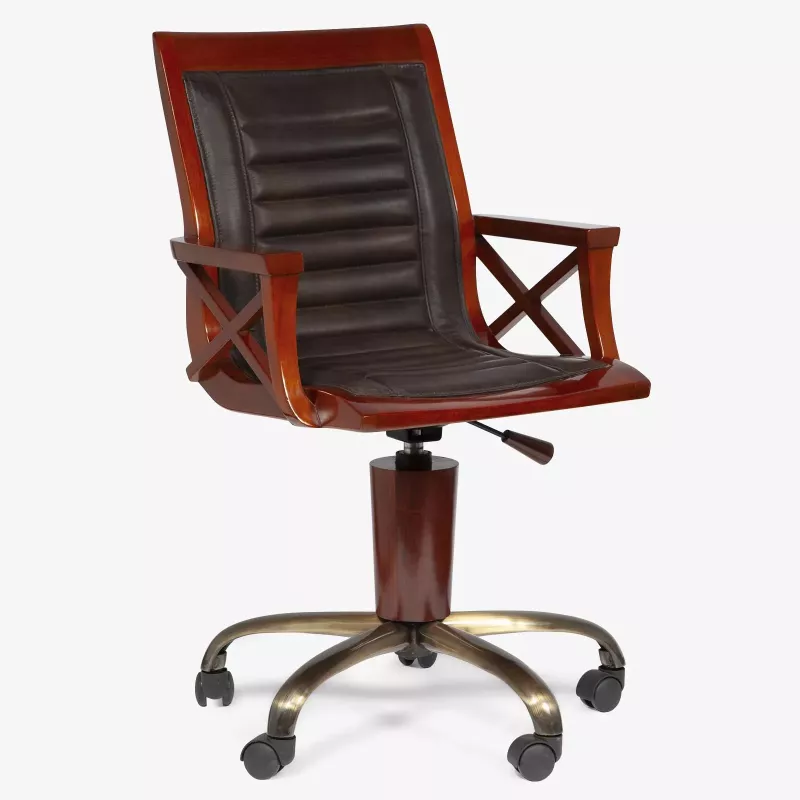
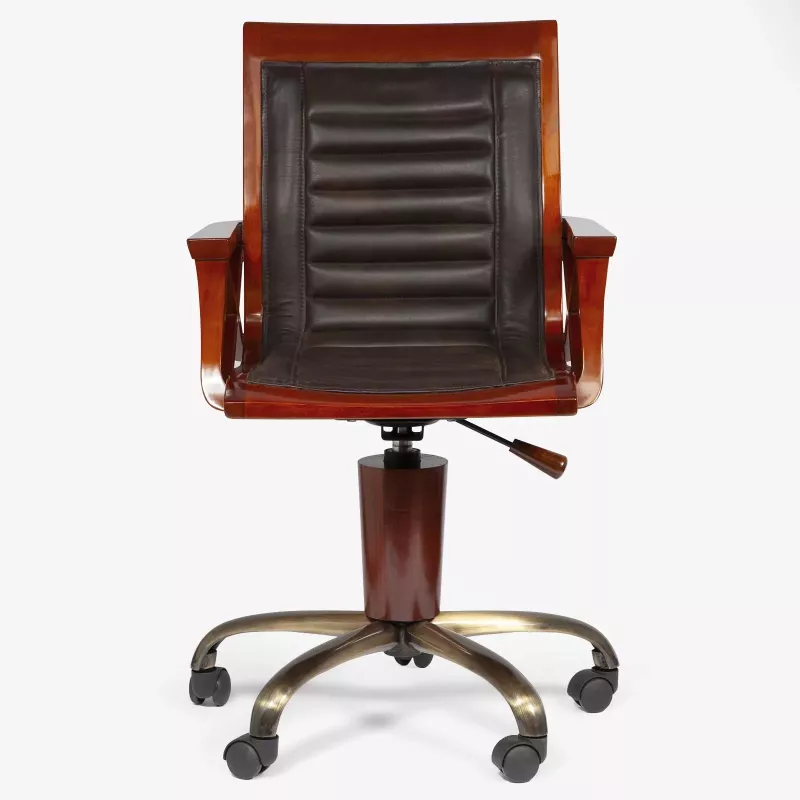
It is from this maritime heritage that Starbay draws inspiration to create furniture with elegant, timeless lines, such as our Halifax office chair, which evokes the refinement of ocean liner cabins, where sophisticated interiors met the practical demands of life at sea.