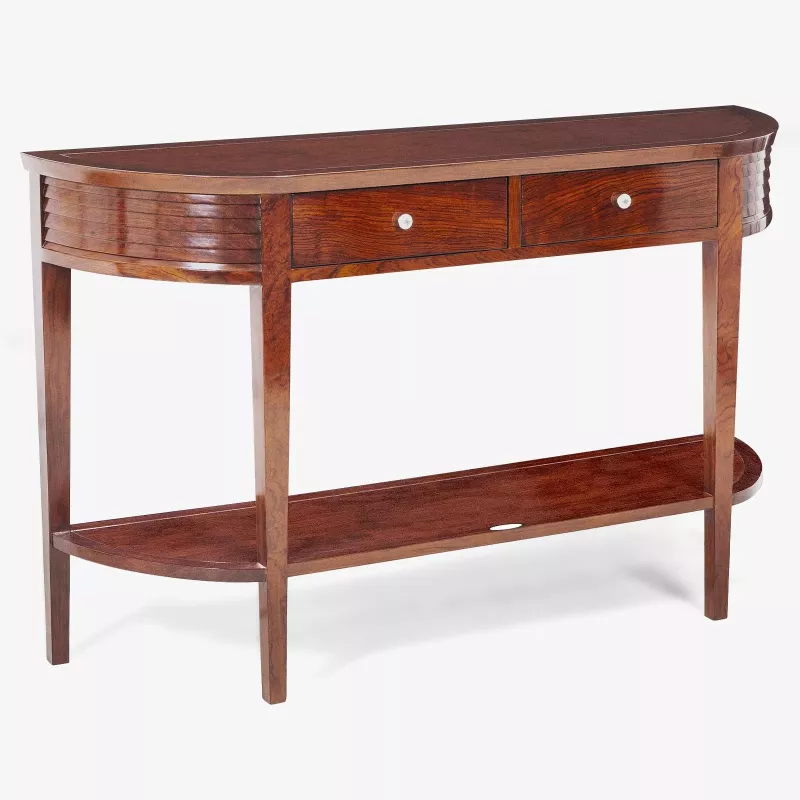
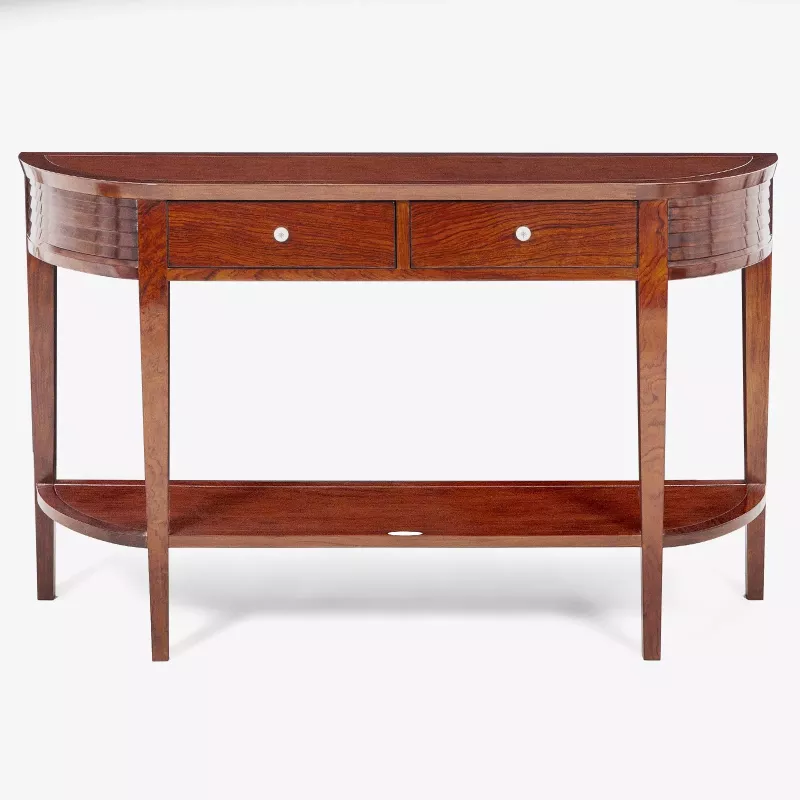
panama
between two oceans
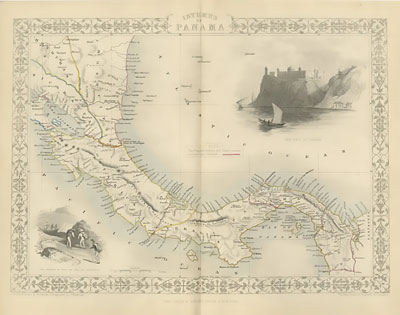
At the beginning of the 16th century, the great European powers embarked on the conquest of the American continent, drawn by the promise of immense riches. Situated between the Caribbean Sea and the Pacific Ocean, the Isthmus of Panama quickly became a strategic territory for the Spanish Crown, which established it as a vital transit point for expeditions to South America, particularly those that would lead to the conquest of the Inca Empire.
Gold and silver from Peru were transported by ship to the newly founded city of Panama, on the Pacific coast. From there, these precious cargoes were carried across the isthmus on the backs of mules, following the historic routes connecting the two oceans: the Camino Real and the Camino de Cruces.
The Gold Route
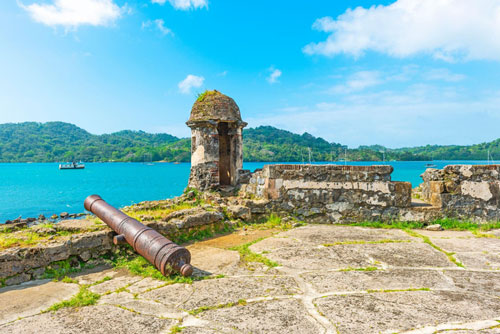
These routes led to the ports of Nombre de Dios and Portobelo, on the Caribbean coast, where cargoes bound for Europe were gathered. Great trading fairs were held there, bringing together merchants, traders and representatives of the Spanish Crown. Warehouses filled with precious metals and goods before their shipment aboard the galleons of the Spanish treasure fleets. Yet such fabulous riches soon aroused the envy of others...
The coasts of Panama became a prime target for pirates and privateers sailing the Caribbean Sea. Among them was Francis Drake, the renowned English navigator and privateer in the service of Queen Elizabeth I. A century later, another figure would leave an enduring mark on Panama's history: Henry Morgan.
In 1671, this formidable Welsh buccaneer, leading a large force of fighting men, crossed the isthmus from the Caribbean coast to attack Panama City. After fierce fighting, the city was captured and ravaged by flames. Its churches, grand residences and warehouses were largely destroyed.
The city was never rebuilt on its original site. In 1673, a new fortified settlement was established a few miles away, on the site of what is now the historic district of Casco Viejo.
In response to these repeated attacks, the Spanish strengthened the defences of their ports. At Portobelo and the mouth of the Chagres River, imposing fortresses were built to protect the trade routes and the treasures of the Spanish Crown.
A DREAM COME TRUE
For centuries, navigators and explorers dreamed of establishing a direct passage between the Atlantic and Pacific Oceans, without having to sail around South America via the treacherous Cape Horn.
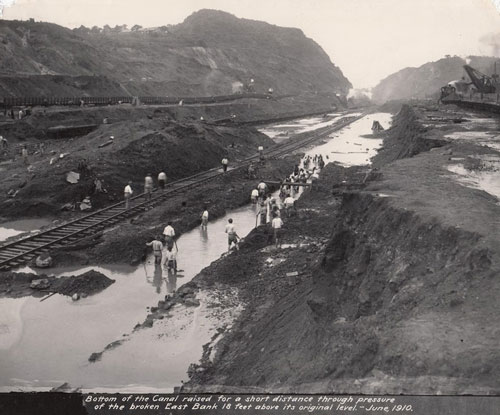
In the 19th century, advances in engineering finally brought this ambitious vision within reach. Buoyed by the success of the Suez Canal, inaugurated in 1869, French entrepreneur Ferdinand de Lesseps began work in 1881 on cutting a canal through the Isthmus of Panama. Yet the challenges proved immense. Dense tropical rainforest, landslides, torrential rains and diseases that devastated the workforce severely hampered progress. The undertaking became a human and financial disaster, ultimately leading to the bankruptcy of the French company in 1889.
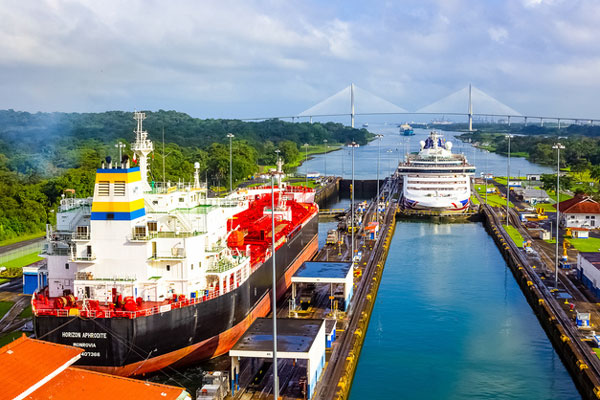
The project was eventually taken over by the United States in 1904, with a redesigned approach incorporating an ingenious system of locks. On 15 August 1914, after decades of extraordinary effort, the Panama Canal was officially opened to shipping.
For the first time, vessels could sail directly from one ocean to the other, avoiding the thousands of miles of navigation previously required to round the South American continent.
Inspiration
For over five centuries, Panama has embodied the daring spirit of seafarers and mankind’s ambition to push beyond the boundaries of the known world. It is this rich heritage of discovery, exploration and encounters between continents that inspires the world of Starbay.
Through our creations, such as the Panama demilune console table, we combine the timeless elegance of travel furniture with exceptional craftsmanship, while paying tribute to lesser-known chapters of world history.