KEY WEST
The Island of a Thousand Shipwrecks
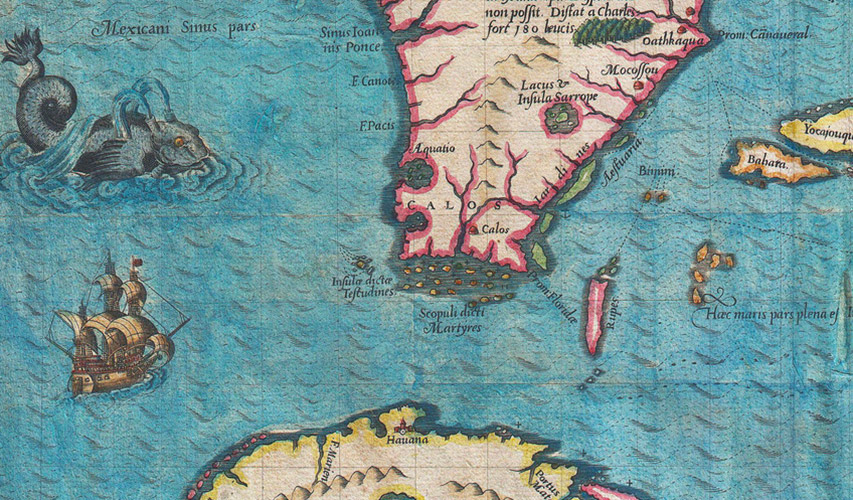
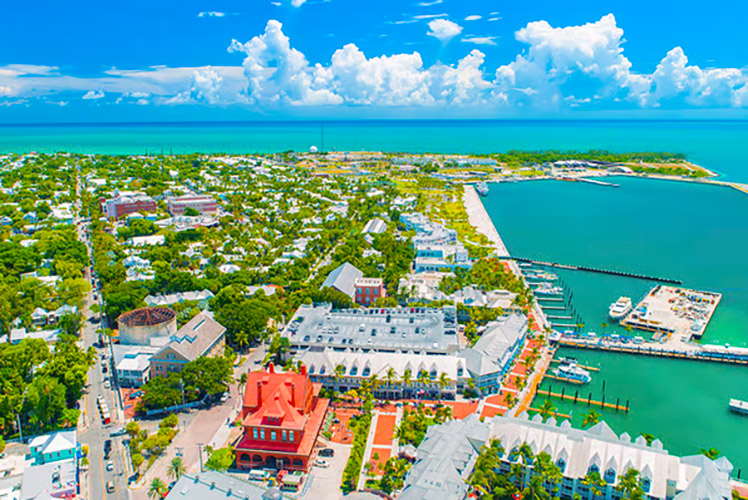
At the southernmost tip of Florida, where the waters of the Gulf of Mexico meet those of the Atlantic Ocean, lies a small island with a unique history: Key West.
Long known by its Spanish name, Cayo Hueso, meaning “Island of Bones”, Key West remained a sparsely populated Spanish possession for nearly three centuries, frequented mainly by fishermen and seafarers.
The island came under American sovereignty in 1821, and that same year, businessman John W. Simonton purchased it for $2,000, convinced of the commercial potential of its natural harbour. In 1822, naval officer Matthew C. Perry raised the American flag on the island, marking the beginning of its maritime development. Six years later, Key West was officially incorporated as a town.
Its geographical position, close to the major trade routes connecting the Caribbean, the Gulf of Mexico and the ports along the American coast, soon gave it considerable strategic importance.
Yet it was a rather unusual activity that would bring prosperity to this small island town: the salvage of shipwrecked vessels.
The Wreckers
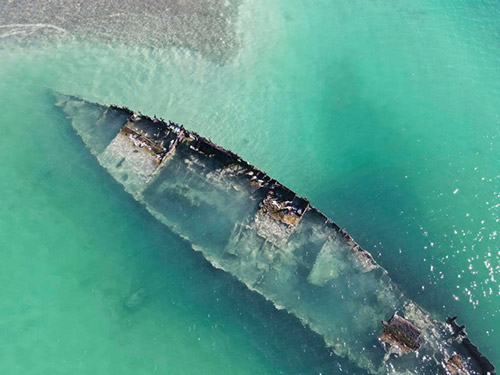
In the 19th century, the waters surrounding the Florida Keys were among the most feared by seafarers. Beneath their seemingly tranquil surface lay an immense barrier of coral reefs, a treacherous trap for merchant ships navigating the currents of the Gulf Stream.
Shipwrecks were so frequent that an unusual profession emerged: that of the wreckers, seafarers specialising in rescuing stranded vessels and salvaging their cargoes. Aboard small, swift schooners, they patrolled the reefs in search of ships in distress. Whenever a vessel ran aground, a race began to reach it first, as the salvagers could claim a share of the value of the recovered goods, determined by maritime courts.
The salvaged cargoes, sometimes consisting of valuable merchandise from Europe, the Caribbean or the Americas, were then brought ashore and sold at auction in the port's warehouses.
This lucrative trade gradually transformed Key West into a prosperous town, making it one of the wealthiest cities in the United States per capita by the mid-19th century.
The Hemingway Effect
As the 19th century progressed, Key West diversified its activities. Sponge fishing, shipbuilding and, above all, the cigar industry contributed to its prosperity. Its proximity to Cuba, just 150 kilometres away, encouraged trade and the establishment of a large Cuban community. By the end of the century, cigar factories employed thousands of workers and exported their products throughout the country.
Yet the island's destiny took another turn at the beginning of the 20th century. In 1912, entrepreneur Henry Flagler inaugurated the Overseas Railroad, a spectacular railway connecting Key West to the mainland across a succession of bridges stretching over the ocean. For the first time, the island was no longer accessible solely by sea.
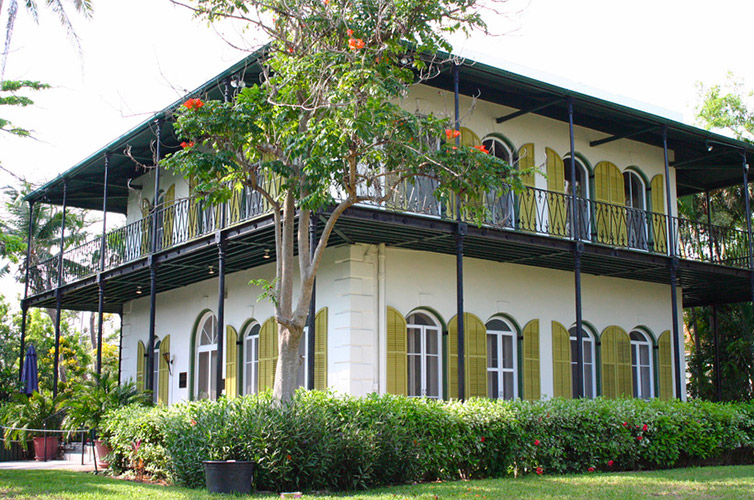
Gradually, the old merchant docks gave way to pleasure boats and travellers drawn by the tropical climate. Key West became a haven for artists and writers, among them Ernest Hemingway, who settled there in 1928 and wrote several of his major works on the island.
Its strategic position, just a short distance from Cuba, also gave Key West a major military role. Established on the island since 1823, the U.S. Navy developed an important naval base, which became particularly active during the Second World War and the Cold War. In 1962, during the Cuban Missile Crisis, Key West found itself on the front line of one of the most tense episodes of the 20th century.
Inspiration
Behind its wooden houses and shaded verandas, Key West owes much of its prosperity to the whims of the sea. From the schooners of the wreckers to elegant pleasure yachts, the history of this island evokes a way of life shaped by travel, where adventure and the pursuit of freedom intertwine.
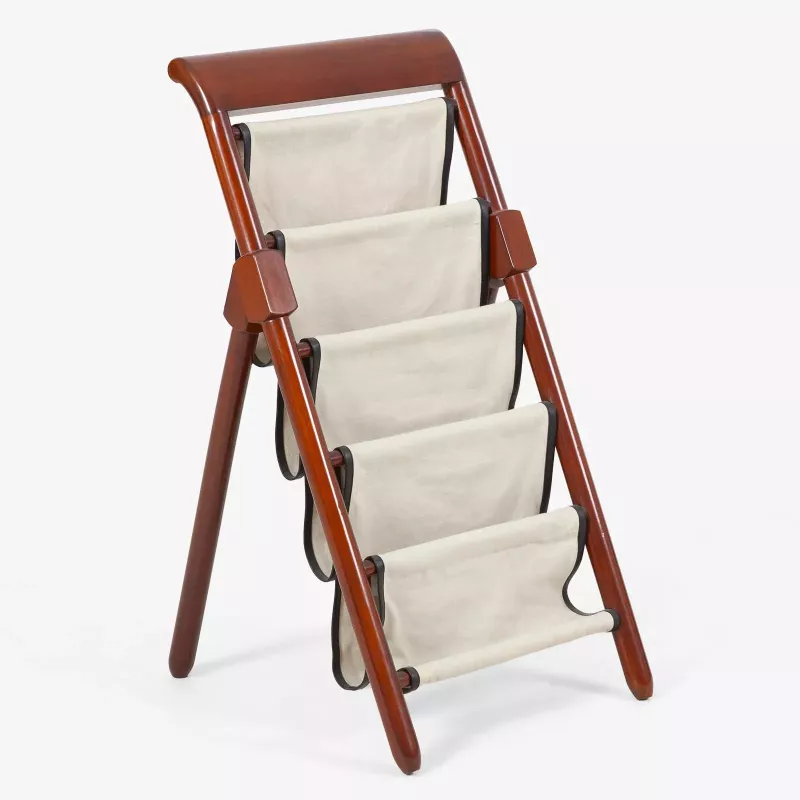
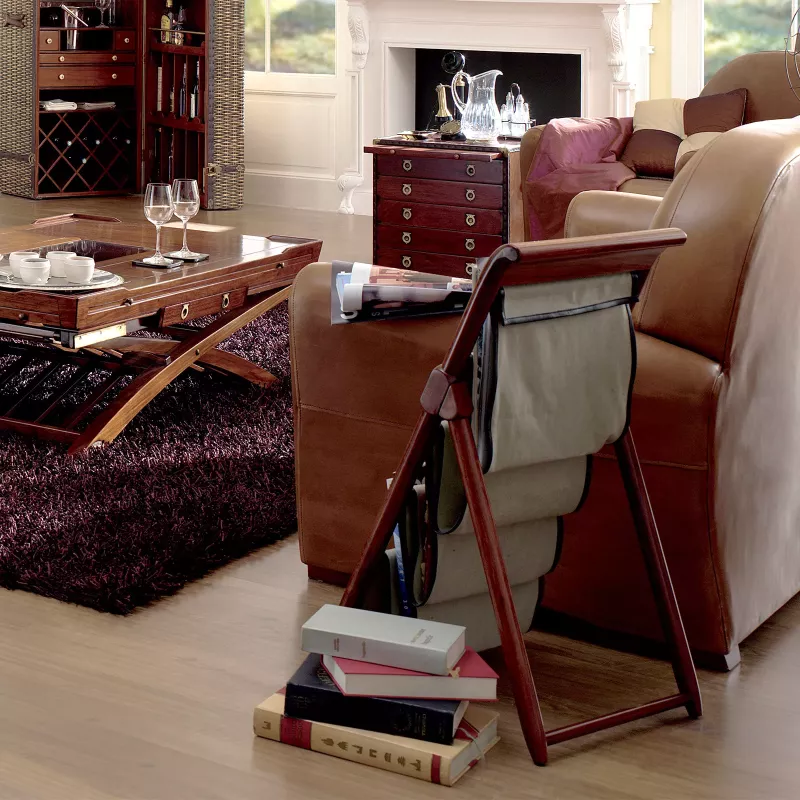
It is from this fascinating history that Starbay draws its inspiration. Much like our Keywest folding magazine rack, our creations reinterpret the timeless charm of traditional furniture, combining romantic elegance, compact design and everyday functionality.